
Gum Disease Treatment Options: What Works?
- 2 days ago
- 5 min read
Bleeding when you brush is not something to ignore or simply cover up with a stronger mouthwash. It can be an early sign of gum disease, a condition that can progress quietly from tender, swollen gums to loose teeth and bone loss. The good news is that gum disease treatment options are effective, especially when treatment starts early and follows a clear plan.
Why Gum Disease Needs Professional Care
Gum disease begins when plaque, a sticky film of bacteria, stays around the teeth and gumline. If it is not removed thoroughly, it can harden into tartar. Tartar cannot be brushed away at home and gives bacteria a place to build up beneath the gums.
Early gum disease is called gingivitis. You may notice bleeding during brushing, bad breath, puffiness, redness, or sensitivity. At this stage, the damage is usually reversible with professional cleaning and better daily care.
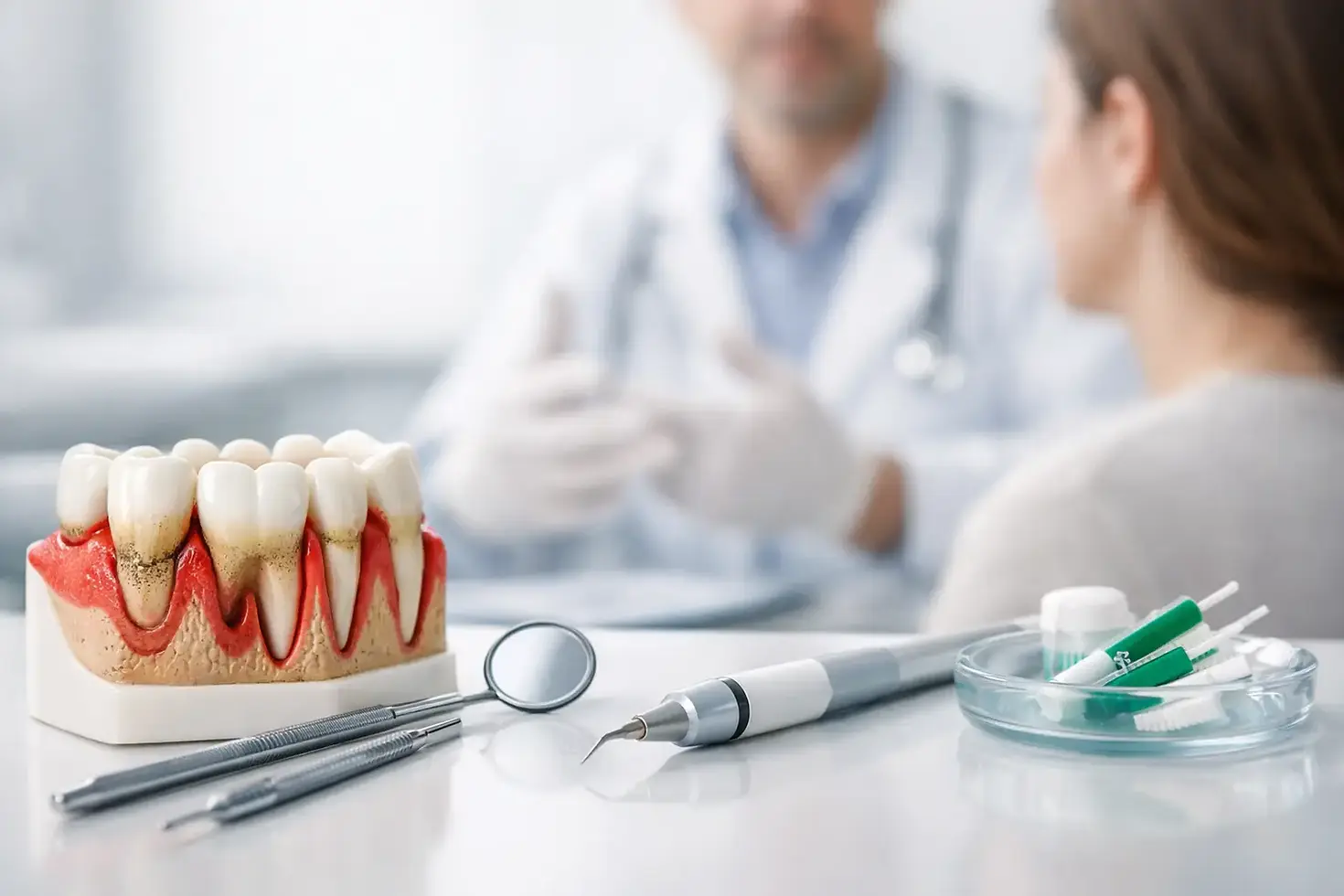
When infection reaches deeper below the gumline, it is known as periodontitis. The gums may begin to pull away from the teeth, creating pockets where bacteria collect. Over time, the supporting bone can weaken. Treatment can control periodontitis and protect your teeth, but it requires more than changing toothpaste.
A dental examination identifies what is happening below the surface. Your dentist may measure gum pockets, check for bleeding and recession, assess loose teeth, and take X-rays when needed to look at bone levels. This helps avoid both undertreatment and unnecessary treatment.
Gum Disease Treatment Options by Severity
The right treatment depends on the stage of disease, the depth of gum pockets, the amount of tartar present, your overall health, and how well you can maintain care at home. A trustworthy dentist should explain the findings and costs before treatment begins.
Professional Cleaning for Gingivitis
For mild inflammation, a routine professional cleaning may be enough to remove plaque and tartar from above the gumline. Your dental team will also show you where plaque tends to collect and how to clean those areas more effectively.
This is often paired with practical home-care changes. Brushing twice daily with a soft toothbrush, cleaning between teeth once a day, and attending regular checkups can allow irritated gums to heal. If you smoke or use tobacco, stopping is one of the most meaningful changes you can make for gum health.
A cleaning appointment does not replace daily care, but it gives you a clean starting point. Many patients notice less bleeding and fresher breath within a few weeks when they follow the plan consistently.
Scaling and Root Planing for Deeper Buildup
Scaling and root planing, often called deep cleaning, is a common treatment for early to moderate periodontitis. Scaling removes tartar and bacteria from below the gumline. Root planing smooths the tooth root surfaces so bacteria are less likely to stick and the gums can reattach more closely.
Depending on the amount of buildup, treatment may be completed in one or more visits. Local anesthetic can be used to keep the area comfortable. Mild tenderness, sensitivity, or temporary bleeding afterward is possible, but these effects usually settle quickly.
Deep cleaning is not a cosmetic polishing service. It is a targeted periodontal treatment recommended when gum pocket measurements and clinical findings show that bacteria have moved below the reach of routine cleaning. Asking why it is recommended, which areas are affected, and what follow-up is needed can help you make an informed decision.
Medication When Infection Requires Added Support
In selected cases, a dentist may use antimicrobial medication along with deep cleaning. This may be placed directly into deep gum pockets or prescribed in another form when there is a specific clinical reason.
Medication alone cannot remove hardened tartar or fix a deep pocket. It works as support, not as a substitute for cleaning the root surfaces. Your dentist should review your medical history, allergies, and current medications before prescribing anything.
Periodontal Surgery for Advanced Disease
If deep pockets remain after non-surgical treatment, a referral to a gum specialist or periodontal surgery may be recommended. Surgery can allow better access to remove deposits from deep areas, reshape affected tissue, and reduce pockets that are difficult to keep clean.
Some patients with significant bone loss may be candidates for bone grafting or regenerative treatment. Gum grafting may also be considered when recession exposes tooth roots, causes sensitivity, or affects the stability of the gumline. These procedures are not necessary for every patient. Their value depends on the location and severity of damage, your oral hygiene, and whether saving the affected teeth is predictable.
Tooth Removal and Replacement When a Tooth Cannot Be Saved
Advanced gum disease can sometimes leave a tooth with too little bone support to remain stable. When saving it is not realistic, extraction may prevent ongoing infection and discomfort. Your dentist can then discuss replacement options such as a bridge, denture, or dental implant.
An implant is not automatically the next step for every patient with gum disease. Active infection should be controlled first, and the available bone and gum health need careful evaluation. Clear planning helps protect the long-term result.
What Home Care Can and Cannot Do
Good home care is essential, but it has limits. Brushing for two minutes twice daily with fluoride toothpaste and cleaning between teeth daily can reduce plaque before it hardens. Interdental brushes may work better than floss in wider spaces, while floss can be useful where teeth are closely positioned. Your dentist or hygienist can recommend the right method for your mouth.
An antiseptic mouth rinse may help reduce bacteria for some patients, but it cannot remove tartar or cure established periodontitis. Be careful with online remedies that promise to heal receding gums or eliminate gum disease overnight. Saltwater rinses may soothe mild irritation temporarily, yet they do not replace diagnosis and professional treatment.
Diabetes, pregnancy-related hormonal changes, certain medications, dry mouth, stress, and smoking can all affect gum health. Let your dental team know about changes in your health. Better control of gum inflammation can also support overall well-being, particularly for people managing diabetes.
What Happens After Treatment
Gum disease is often managed rather than treated once and forgotten. After deep cleaning or periodontal treatment, a reassessment appointment checks whether bleeding has reduced and whether gum pockets are improving. Your dentist may recommend periodontal maintenance cleanings more often than a standard six-month schedule, such as every three or four months.
This follow-up matters because bacteria can return in areas that are difficult to clean. Maintenance visits are usually simpler, more comfortable, and more affordable than waiting until infection becomes advanced again.
If you are comparing gum treatment costs, ask for a written breakdown of the recommended care. It should distinguish a routine cleaning from deep cleaning, explain whether X-rays or medication are needed, and outline the expected follow-up schedule. Transparent pricing makes it easier to plan care without surprises.
When to Book a Gum Evaluation
Arrange a dental visit promptly if your gums bleed repeatedly, your breath stays unpleasant despite brushing, you see pus near the gums, your teeth feel loose, or your bite has changed. Pain is not always present, so waiting for severe discomfort can mean waiting too long.
For patients in Deira or near Al Rigga, Best Dentist LLC can assess gum concerns, explain the treatment choices in straightforward terms, and help you move from uncertainty to a practical care plan. Early care is usually the simplest path: a timely examination can protect your gums, your teeth, and your confidence when you smile.


Comments