
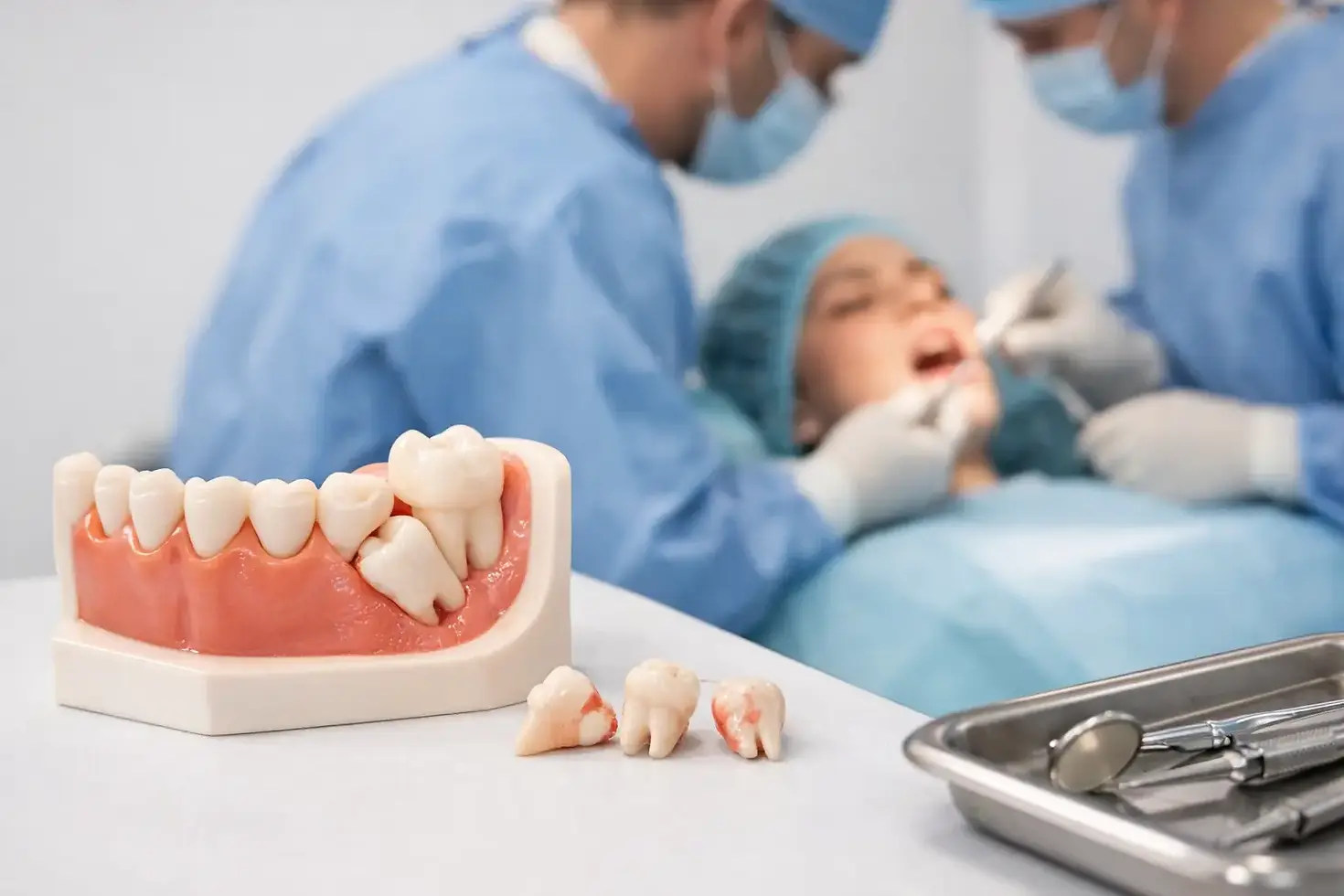
What to Expect From Wisdom Tooth Removal Surgery
- 2 days ago
- 5 min read
A wisdom tooth that starts aching at night, presses against a neighboring tooth, or causes a swollen gum can make ordinary things like eating and sleeping feel difficult. Wisdom tooth removal is a common dental procedure, but the decision should be based on a clear examination and a treatment plan you understand. For many patients, removing a problem wisdom tooth brings lasting relief and helps protect the rest of the smile.
At Best Dentist LLC, patients receive straightforward explanations, compassionate care, and transparent pricing before treatment begins. Whether your concern is sudden pain, repeated gum infections, or an extraction recommended during a checkup, knowing what to expect can make the process feel far more manageable.
When Is Wisdom Tooth Removal Needed?
Wisdom teeth are the final molars at the back of the mouth. They often appear in the late teens or early twenties, although timing varies. Some erupt fully, sit straight, and remain easy to clean. In that case, removal may not be necessary. A dentist may simply monitor the tooth during regular visits.
The problem is that many mouths do not have enough room for an additional molar. A wisdom tooth can become impacted, meaning it is partly or fully trapped under the gum or against the jawbone. It may grow at an angle toward the tooth in front of it, remain partly covered by gum tissue, or come through only enough to collect food and bacteria.
Removal is commonly recommended when a wisdom tooth causes pain, swelling, decay, gum infection, damage to a nearby tooth, or a cyst around the tooth. Repeated inflammation around a partly erupted wisdom tooth is especially frustrating because symptoms may settle temporarily, then return. Waiting through recurring episodes can allow the issue to become more complicated.
A dental exam and X-rays show the tooth’s position, root shape, and relationship to nearby structures. This matters because not every extraction has the same level of difficulty. A fully erupted upper wisdom tooth may be relatively simple to remove, while a deeply impacted lower tooth may need a more surgical approach.
What Happens Before Wisdom Tooth Removal?
Your visit should begin with a conversation, not a surprise procedure. The dentist will ask about your symptoms, medical history, medications, allergies, and any previous problems with anesthesia. X-rays help confirm whether removal is the right option and allow the dentist to explain the expected complexity.
You should also receive practical instructions tailored to your treatment. These may include when to eat or drink beforehand, whether you need someone to accompany you, and which medications to avoid or continue. If sedation is planned, following fasting instructions is essential. Do not stop prescribed medication without checking with the dentist or your physician first.
Cost is another reasonable question to ask before treatment. The price of wisdom tooth removal depends on factors such as whether the tooth is erupted or impacted, the need for surgical access, X-rays, anesthesia, and the number of teeth being removed. Clear pricing helps you make a decision without unnecessary uncertainty.
Local Anesthesia and Sedation Options
Many wisdom tooth procedures are completed comfortably with local anesthesia, which numbs the treatment area while you remain awake. You may feel pressure during the extraction, but you should not feel sharp pain. If you do feel pain, tell the dental team immediately so they can help.
For patients with significant anxiety or for more complex extractions, additional sedation options may be discussed where appropriate. The right choice depends on your medical history, the procedure, and your comfort level. The goal is not to make treatment feel intimidating. It is to provide safe, appropriate pain control and a calm experience.
During the Procedure: What Actually Happens?
Once the area is numb, the dentist gently loosens the tooth and removes it. If the wisdom tooth is impacted, a small opening in the gum may be needed to access it. In some cases, the tooth is divided into smaller sections so it can be removed with less pressure on surrounding tissue.
This may sound daunting, but it is a standard approach for difficult extractions. Modern imaging, careful planning, and proper anesthesia allow the dentist to work precisely. After the tooth is removed, the area is cleaned and may be closed with stitches. Some stitches dissolve on their own, while others need to be removed at a follow-up appointment.
The treatment time varies. A straightforward extraction can be quick, while a complex impacted tooth can take longer. Your dentist should explain what is likely in your case rather than promising a one-size-fits-all timeline.
Wisdom Tooth Removal Recovery: The First Week
Recovery begins when a blood clot forms in the extraction site. This clot protects the underlying bone and supports healing. Biting gently on gauze for the time advised by your dentist helps control early bleeding.
Swelling, tenderness, and some jaw stiffness are normal, particularly after surgical removal. These symptoms often peak within the first two to three days and then gradually improve. Use cold packs on the outside of the face during the first day as instructed, rest as much as possible, and take medication only as directed.
For the first 24 hours, avoid forceful rinsing, spitting, smoking, vaping, alcohol, and drinking through a straw. These actions can dislodge the blood clot and contribute to dry socket, a painful condition that needs dental attention. Soft foods such as yogurt, mashed potatoes, soup that is not hot, eggs, and smoothies eaten with a spoon are usually easier at first. As comfort improves, return to normal foods gradually.
Gentle oral hygiene still matters. Brush the rest of your teeth carefully, avoiding the surgical area at first. Your dentist may recommend a warm saltwater rinse after the first day. Follow the instructions you are given, since recovery advice can differ depending on the type of extraction.
When to Contact Your Dentist
Some discomfort is expected, but worsening symptoms deserve attention. Contact your dentist promptly if pain becomes severe after initially improving, bleeding does not slow with pressure, swelling continues to worsen after several days, or you develop fever, pus, trouble swallowing, trouble breathing, or a persistent bad taste and odor.
Do not try to manage a possible infection or dry socket by taking leftover antibiotics or pain medication. A quick dental review is safer and can prevent a minor issue from becoming a longer recovery.
Can You Keep Wisdom Teeth Instead?
Yes, sometimes you can. Wisdom teeth that are healthy, fully erupted, correctly positioned, and easy to clean may be kept under observation. Removing every wisdom tooth automatically is not the right approach for every person.
However, a tooth that has already caused repeated pain, infection, decay, or pressure on another tooth is unlikely to improve on its own. The trade-off is usually simple: monitoring can be sensible for a stable, healthy tooth, but delaying treatment for a clearly problematic one may mean more pain and a more difficult procedure later.
Choosing Care When Pain Cannot Wait
A painful wisdom tooth can feel urgent, especially when swelling or difficulty eating begins. Same-day dental assessment can help identify whether the cause is an impacted tooth, gum infection, decay, or another dental issue. Even if extraction cannot be completed immediately, an examination gives you a safe plan for pain relief and next steps.
If you are in Dubai, choosing a nearby clinic with experienced dental professionals, modern diagnostic tools, and clear treatment explanations can reduce the stress of arranging care. Bring any relevant medical information, explain when the pain started, and mention symptoms such as fever, swelling, or limited jaw movement.
A wisdom tooth problem rarely becomes easier by being ignored. Getting an honest assessment early gives you the best chance of a smoother procedure, a more comfortable recovery, and a return to eating and smiling without that persistent pain in the back of your mouth.


Comments